
Start with agency career pages, healthcare-specific job platforms, staffing agencies, general job boards, and direct-hire community networks. The fastest first step: build a verified profile on a healthcare-specific platform, gather your documents, and apply to three listings today.
TL;DR:
- Using healthcare-specific, verified platforms speeds up application review and reduces irrelevant matches through credential filtering and job specialty matching.
- Private-pay caregiving relies on personal networks and written agreements, requiring self-managed screening, documentation, and tax record keeping.
- Achieving certification like CNA, HHA, CPR, or First Aid significantly expands job opportunities and typically requires only short, affordable training.
- Pay varies by state, certification level, and work arrangement, with private roles often paying higher hourly rates but lacking benefits.
- A complete, verified online profile allows automated screening tools to prioritize your application, accelerating hiring prospects across multiple channels.
Table of Contents
- Where home care jobs get posted
- How to apply and land interviews faster
- Qualifications and training that open more roles
- Finding private clients and setting up direct-hire work
- Understanding pay and how to negotiate it
- Safety and red flags to watch for
- How a verified healthcare network shortens your search
- What the job search actually rewards
- Build a profile and apply through ConnectedMedics
- Where to verify training, pay, and workforce data
- Sources
- FAQ
Where home care jobs get posted
Agency career pages. Search local home care agencies directly. Most post openings on their own site before anywhere else. Set a job alert if the page allows it. Call the hiring manager after applying; a short follow-up call often moves an application to the top of the pile.
General job boards. Filter by keyword: home health aide, personal care aide, live-in caregiver. Narrow by shift type: overnight, weekend, hourly, live-in. Watch for remote phone screenings; have your documents and references ready before the call.
Healthcare-specific platforms. A verified profile on a platform built for healthcare, like ConnectedMedics, filters listings by specialty and credential match. This cuts down on irrelevant leads compared to generic boards. Employers see your verification status upfront, which speeds review.
Staffing agencies. These offer temp, per-diem, and temp-to-hire placements. Contracts vary: some pay weekly through the agency, others transition to direct employment after a trial period. Ask about benefits eligibility and scheduling flexibility before signing.
Direct-hire channels. Community boards, faith groups, and local classifieds connect caregivers directly with families. Pay is often higher without an agency cut. Screening and safety fall entirely on the caregiver.
Key channels at a glance:
- Agency career pages: direct listings, fastest local response.
- Healthcare-specific platforms: verified profiles, specialty filters, fewer irrelevant matches.
- Staffing agencies: temp, per-diem, and temp-to-hire contracts.
- General job boards: broad reach, requires heavy keyword filtering.
- Direct-hire community boards: higher pay potential, more screening responsibility.
How to apply and land interviews faster
A complete application beats a fast one, but speed still matters. Follow these steps in order.
- Build a resume that leads with activities of daily living (ADL) experience: bathing, mobility assistance, medication reminders, meal prep.
- List certifications first if you hold any: CNA, HHA, CPR, First Aid.
- State your availability clearly, including overnight or live-in flexibility.
- Note reliable transportation, since many roles require travel between clients.
- Complete every field on your platform profile and upload verifying documents rather than leaving them for later.
- Prepare two or three references who can speak to your caregiving work, not just general employment.
- Practice answers to common questions: how you handle a fall, a medication error, or a client refusing care.
- Expect a background check and have identification and work eligibility documents ready in advance.
Uploading a complete profile with verified credentials, rather than a partial one, increases visibility when employers use automated screening tools that scan for structured, complete profiles.
Pro Tip: Record a short video introduction if your platform allows it. Automated matching tools give more visibility to profiles with video clips attached.
A caregiver resume guide can help structure ADL experience and certifications into a format employers scan quickly. For applying across several openings at once without losing track of documents, a structured application workflow keeps things organized.
Qualifications and training that open more roles
Job titles vary by state and employer, but three come up most: personal care aide, home health aide, and certified nursing assistant (CNA). Requirements differ by role and by state.
- Personal care aides often need no formal certification, though some states require short training.
- Home health aides typically need state-approved training and a competency exam.
- CNAs require a state-certified program plus a certification exam, and open the most roles.
Community colleges and vocational schools run short CNA and HHA programs, often four to twelve weeks. Check your state health department or nursing board for approved programs before enrolling, since requirements and reciprocity rules differ by state.
The CareerOneStop occupational profile for home health aides lists typical duties, training paths, and links to state-specific licensing boards. Checking it before applying avoids wasted time on roles that require credentials you do not yet hold.
Quick wins for hireability: a CPR card, a First Aid certificate, and a short state-approved caregiver training course. These are inexpensive, fast to complete, and frequently listed as preferred or required in job postings. A training opportunities guide points to where local courses are typically offered.

Finding private clients and setting up direct-hire work
Private-pay caregiving skips the agency but adds responsibility for screening and paperwork.
Start with personal networks: family, faith groups, and community boards. These channels tend to produce more reliable leads than public classifieds. When writing an ad, describe your experience and certifications, but never list your home address. Use a phone number or a dedicated email instead.
Screen any family before agreeing to work. Ask about the care recipient's needs, the schedule, and the household expectations. Define the scope of work in writing: hours, tasks, pay rate, and cancellation policy. A simple written agreement protects both sides and reduces disputes later, a point echoed in guidance on recruiting and managing direct-hire caregivers.
- Never share your home address in a public ad.
- Always get pay rate, hours, and cancellation terms in writing.
- Keep a simple invoice template for regular billing.
- Track your own hours and payments for tax purposes.
Private caregivers are generally self-employed. Keep records of hours and payments, and consider a payroll service if a family wants to handle taxes on your behalf.
Pro Tip: Ask the family upfront whether they plan to issue a 1099 or use a household payroll service; this affects how you file taxes at year-end.
Understanding pay and how to negotiate it
Pay depends on certification level, live-in versus hourly structure, overtime rules, and state wage differences. A CNA typically earns more than an uncertified personal care aide, and live-in arrangements often trade a lower hourly rate for room and board.
Agency pay tends to be steadier and includes some training investment, since many agencies now fund paid training and professional development to retain staff. Private-pay work can offer higher hourly rates but no benefits, no guaranteed hours, and no paid time off.
Growing demand for home care roles supports leverage for negotiation. The CareerOneStop occupational profile provides state-level wage tools that help you compare local pay before an interview.
Negotiation works best around scheduling. Offering flexibility for weekends or overnight shifts often unlocks a higher hourly rate than pushing on the base wage alone. Ask directly about raise schedules and performance reviews before accepting an offer.
Safety and red flags to watch for
Some postings and employers raise concerns before you even start. Watch for these signs.
- No written contract or job description offered after you ask.
- Cash-only pay with no pay stub or written record.
- Evasive answers about hours, duties, or the client's condition.
- Pressure to start immediately without a proper interview or home visit.
For your first visit to a new client's home, share your schedule with someone outside the job and set a check-in time. Working alone in a private home carries more risk than an agency-supervised shift, so a simple check-in routine matters.
Insist on a written agreement before starting private work, and ask agencies about workers' compensation coverage. Document any incident, injury, or dispute in writing and keep a copy for your own records.
How a verified healthcare network shortens your search
A generic job board treats a caregiving role the same as any other listing. A healthcare-specific, verified network filters by credential and specialty from the start, which means fewer mismatched applications and faster employer response.
Some healthcare-specific platforms run jobs boards with specialty filters and verified professional profiles. A complete profile with uploaded credentials moves faster through employer review than a generic resume upload. For a deeper look at how verified profiles and specialty matching work, see this platform guide for healthcare professionals or an overview of home care network platforms.
The practical next step: complete every profile field, upload your certifications, and set filters for the shift types and specialties you want before applying.
What the job search actually rewards
Most career advice treats the caregiving job search like any other job search: polish the resume, network broadly, wait for callbacks. That advice underweights how fragmented this market actually is. Postings scatter across agency sites, general boards, staffing firms, and word of mouth, and a caregiver who checks only one channel misses most of the market.

The bigger gap is verification. Employers hiring for in-home care carry real liability, so a credential-checked profile moves faster than a generic resume, no matter how well written. Readers should stop treating the application as the finish line and start treating the profile itself, complete, verified, specific about availability and certifications, as the actual asset that gets checked first.
Government workforce data backs the caregiver's side of this: demand is real and sustained, which means the leverage in negotiation and channel choice belongs more to the job seeker than most advice admits.
— David
Build a profile and apply through ConnectedMedics
A free profile on ConnectedMedics puts your credentials in front of employers running healthcare-specific filters instead of a generic applicant pool.
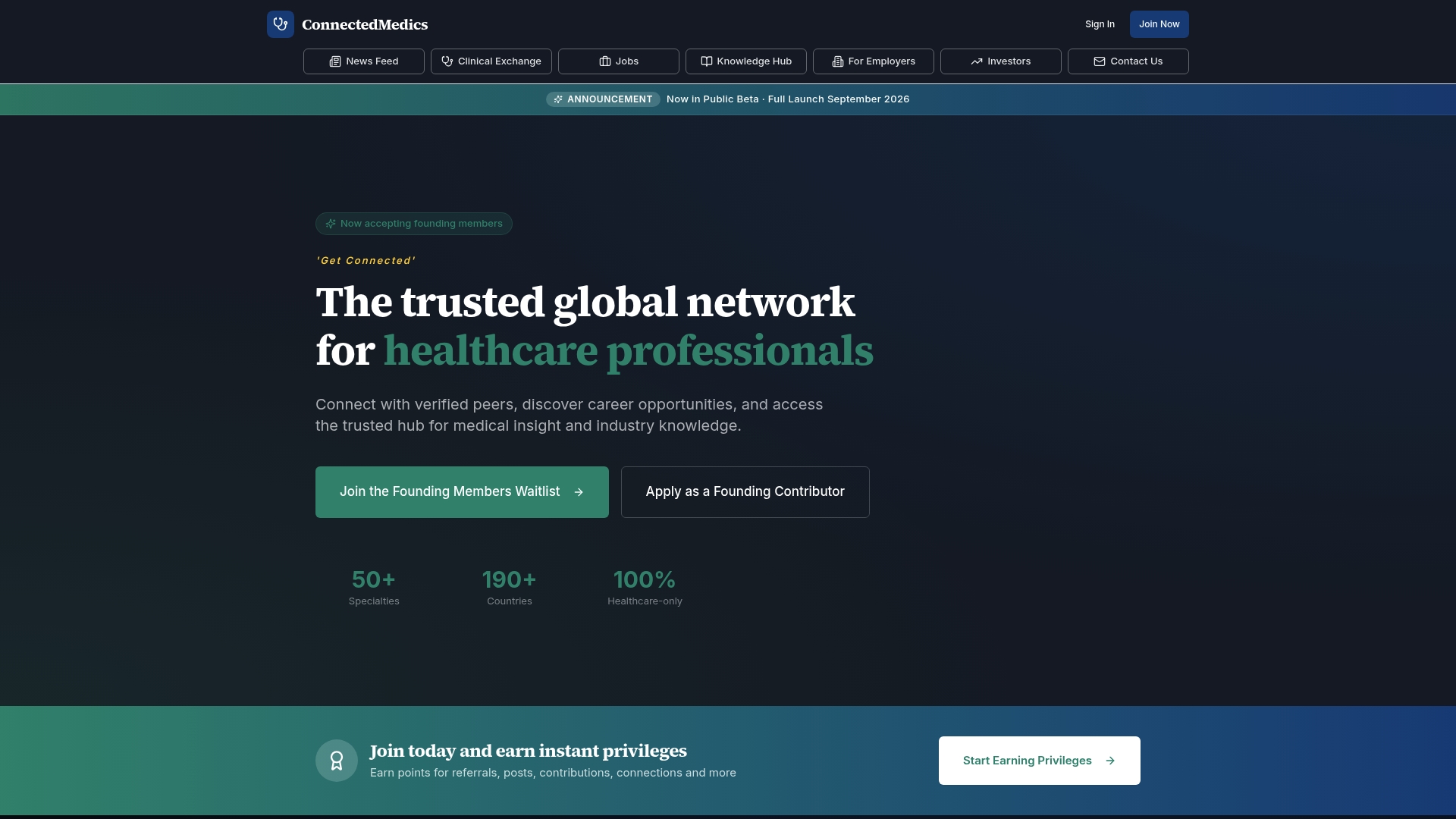
Here is what happens after signup: your profile becomes searchable to verified employers, your certifications get flagged for specialty matches, and you set filters for shift type and location so irrelevant listings stop reaching you. The workflow is short: create a profile, upload your credentials, set your job filters, and apply to three relevant openings today. Premium employer tools and expanded filters are available for recruiters through Premium Employer plans, which shapes how quickly your application gets seen once employers use them. Start by setting up your profile on the employer and jobs landing page.
Where to verify training, pay, and workforce data
These sources cover training paths, wage data, and workforce trends referenced throughout this guide.
- ACL Direct Care Workforce: federal overview of workforce shortages and training initiatives.
- Reimagining home care work with AI: how automated recruiting tools screen caregiver candidates.
- VDC handbook on becoming an employer: guidance on private-hire screening and agreements.
Sources
- Strengthening the Direct Care Workforce | ACL Administration for Community Living
- A New Era of Care: Reimagining Home Care Work with Artificial Intelligence
- VDC handbook: Becoming an employer — recruitment and hiring guidance | ACL
FAQ
How much is a private caregiver per hour?
Private caregiver pay varies by state, certification, and whether the arrangement is hourly or live-in. Check the CareerOneStop wage tools for state-level figures before setting or accepting a rate.
How to find private clients as a caregiver?
Start with personal networks like family, faith groups, and community boards rather than public classifieds. Screen the family before agreeing to work, and put the scope of work, pay rate, and cancellation terms in a simple written agreement.
What is the best home care company to work for?
There is no single answer, since agencies vary by state, pay structure, and training investment. Look for employers that invest in paid training and career development and that provide a clear written job description before you start.
Where do caregivers get paid the most?
Pay differs by state, certification level, and whether the role is agency-based or private-pay. The CareerOneStop occupational profile provides state-by-state wage comparisons to check before applying.
How can a verified profile speed up hiring?
A verified profile with uploaded credentials lets employers using automated screening tools see your qualifications immediately instead of reviewing a generic resume. Platforms like ConnectedMedics filter by specialty and credential match, which reduces irrelevant applications on both sides.