
Healthcare has no single national hiring month you can bank on. BLS JOLTS data show a spring-to-summer lift in many years, but it shifts by specialty and region, and HRSA projections point to structural shortages that no calendar fixes. Build facility-level calendars from your own requisition and time-to-fill data, and use ConnectedMedics to post roles.
TL;DR:
- June 2026 recorded 1.347 million openings, 701,000 hires, and 661,000 separations; agency workers are counted under agencies, so facility totals may understate staffing.
- Compare unadjusted monthly facility data across multiple years, and flag months above 1.2 times baseline as a working trigger, not a published standard.
- Start the 90 day clock with the role that takes longest to fill, then coordinate sourcing, credentialing, offers, and scheduling before the expected surge.
- Use float pools, mobile scheduling, and rapid credentialing for short spikes; call agency staff when locally set absence or shift coverage thresholds are crossed.
Table of Contents
- What do national data say about healthcare hiring seasonality?
- Which specialties and regions feel seasonal pressure most?
- How do you plan seasonal demand with a 90/60/30 checklist?
- Which staffing tactics reduce last-minute hiring?
- How can you detect real seasonality in your own data?
- Why should hiring and deployment run as one system?
- Where can you source clinicians faster?
- FAQ
- Sources
What do national data say about healthcare hiring seasonality?
The national numbers give context, not a schedule. Three measures matter, and they tell different stories:
- Openings show demand. In June 2026, health care and social assistance posted 1.347 million openings, with an opening rate of 5.3%, per the BLS preliminary release.
- Hires show throughput. The same release reports 701,000 hires and a 2.9% hire rate, so openings outran hiring by a wide margin.
- Separations show turnover. The June total was 661,000, a reminder that replacing people is a large part of the work.
Monthly openings in this sector ran from 1.27 million in February 2026 to 1.54 million in April 2026, according to BLS monthly series data. That is a spring-to-summer upswing, but the climb is uneven, and the multi-year JOLTS time series shows no fixed national peak.
Two cautions apply. These estimates are seasonally adjusted, so they strip out the very calendar effects you want to see. Inspect your unadjusted internal data too. Also, JOLTS counts agency workers under the agency, so employer-level hires can look lower than the clinicians actually working on your floors.
Structural scarcity is a separate problem. HRSA's Workforce Projections Dashboard models supply and demand by occupation, geography and year. Use it to tell a seasonal bump from a shortage that a hiring campaign will never close.

Which specialties and regions feel seasonal pressure most?
Seasonality is local. A national average hides the units where pressure builds first. Common pressure points include:
- Respiratory and inpatient units, where community illness drives census. The CDC's flu burden data is a useful reference for how heavy a flu season can get, and AHA guidance advises pre-positioning respiratory, emergency, inpatient and laboratory coverage before local activity rises.
- Emergency departments and labs, which absorb surges in visits and testing.
- Long-term care, where winter illness and staff absences compound each other.
- Elective surgery, where scheduling cadence and academic calendars shape when new graduates enter the market.
Geography matters just as much. HRSA's projections show shortages concentrated in nonmetro areas, with registered nurse gaps that are structural rather than seasonal. A rural hospital may feel a shortage in every month, while an urban system sees a sharp winter spike.
Pro Tip: Layer three signals for each specialty: local patient volume, license and credential timing, and candidate flow on your job postings. Where all three rise together, you have found a real seasonal window.
For wider context on vacancies and shortfalls, see our look at global healthcare employment trends.
How do you plan seasonal demand with a 90/60/30 checklist?
Work backward from the month you expect pressure. This sequence keeps recruiters, managers and credentialing staff moving together.
- 90 days out: Forecast from internal requisitions, then add BLS context and HRSA occupation-level signals. Rank critical roles and estimate time-to-fill for each.
- As the surge approaches: Ramp sourcing, confirm license and credential timelines, and line up float pools and other internal staffing options.
- Before the surge: Finalize offers, shorten onboarding and scheduling steps, and confirm contingency agency or partner arrangements.
- Rolling: Track time-to-fill, acceptance rate and unplanned absence every month. Keep a bench of vetted temporary clinicians so you never start from zero.
Overflow coverage deserves a plan of its own. For imaging, a remote option such as weekend and holiday radiology coverage can absorb a spike without forcing a permanent hire.
Pro Tip: Start the 90-day clock on your slowest role, not your most urgent one. If nurse requisitions take the longest to fill, they set the calendar for everything else.
Our playbook for reducing RN time-to-fill walks through the planning process in detail.
Which staffing tactics reduce last-minute hiring?
The cheapest hire is the one you do not need to rush. Internal flexibility turns a seasonal spike into a scheduling problem instead of a recruiting emergency, and AHA's 2026 workforce scan documents health systems using these methods to cover short-term gaps while they build pipelines.
- Float pools and internal agencies let you move trained staff to where census climbs, so you add fewer permanent positions for a few busy weeks.
- Mobile scheduling lets staff pick up open shifts quickly, which raises your shift-fill rate before you call an outside agency.
- Real-time credentialing shortens the gap between an accepted offer and a clinician on the unit. Congressional testimony from AHA-linked sources points to these same levers.
- Predictive analytics flags likely shortfalls early enough to act on the 90-day step above.
Set measurable triggers for external help so the decision is not a debate each time. For example, bring in agency or travel staff when your unplanned absence rate or shift-fill rate crosses a threshold you have set from your own history. Choose the numbers from your baseline, then review them each quarter.
How can you detect real seasonality in your own data?
Run a simple local test before you commit budget. Track these core metrics by month and by specialty:
- Openings, hires and separations
- Time-to-fill and offer acceptance rate
- Unplanned absence rate and shift-fill rate
Compare your unadjusted monthly series with the seasonally adjusted BLS series, and compare your own monthly data across multiple years so one unusual year does not mislead you.
A useful rule of thumb: flag any month where a metric runs above 1.2 times your baseline average, then start targeted sourcing and contingency activation for that month. The 1.2 threshold is our working rule, not a published standard, so tune it to your own variation.
BLS tables also show why caution is wise: the June 2026 industry table is subject to annual revisions. Our guide on tracking healthcare workforce trends covers tools for building this view.
Why should hiring and deployment run as one system?
Most facilities treat seasonal hiring as a campaign: post roles, hope for the best, repeat next year. We think that gets the order backward. Protect care today with float pools, quick credentialing and clear escalation triggers, then use external hiring to fill what internal flexibility cannot.
A seasonal hire who waits too long for credentialing is not a seasonal hire at all. The real gains come from joining sourcing, onboarding and scheduling into one pipeline, and from investing in the long-term supply that HRSA's projections say you will need. Our work on healthcare workforce assessments supports that planning, and ConnectedMedics gives employers verified, healthcare-specific job postings and tools to act on it.
— David
Where can you source clinicians faster?
We run a healthcare-only jobs board with verified clinician profiles, and we offer employer tools.
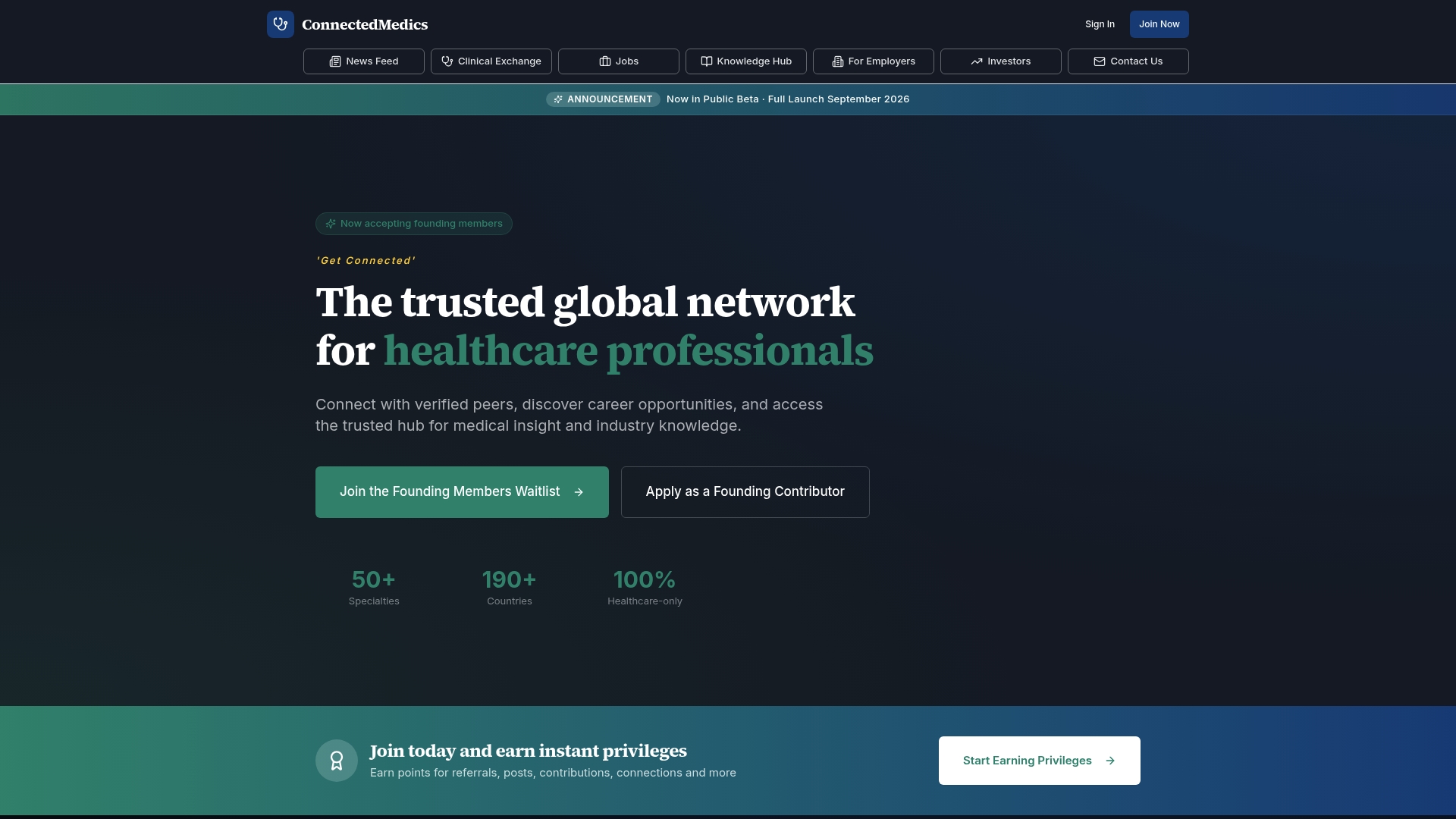
- Start with our employer plans, which include a Free option, and a Growth plan at 99 GBP per month.
- Explore Premium Employer.
Pick a plan and post your first seasonal role today.
FAQ
What is the busiest time period for hiring seasonal workers?
There is no single peak across healthcare. National openings tend to rise from spring into summer, but the pattern changes by specialty and region, so check your own monthly data first.
What is the best job in the healthcare industry?
It depends on your goals, since pay, schedule and training time vary widely by role. Demand is strong in many occupations, and HRSA's workforce projections show where shortages are likely to persist.
How early should we start planning for a seasonal surge?
Start about 90 days ahead, using internal requisition and time-to-fill data. That gives enough time to source, credential and onboard before demand rises.
Why do national hiring data not match what we see locally?
National JOLTS figures are seasonally adjusted and cover the whole sector. Your facility has its own patient mix, calendar and candidate pool, so local, unadjusted data is the better guide.
Sources
- Bls
- Bureau of Labor Statistics Data
- About This Dashboard - Workforce Projections
- Cdc
- Health Workforce Projections | Bureau of Health Workforce