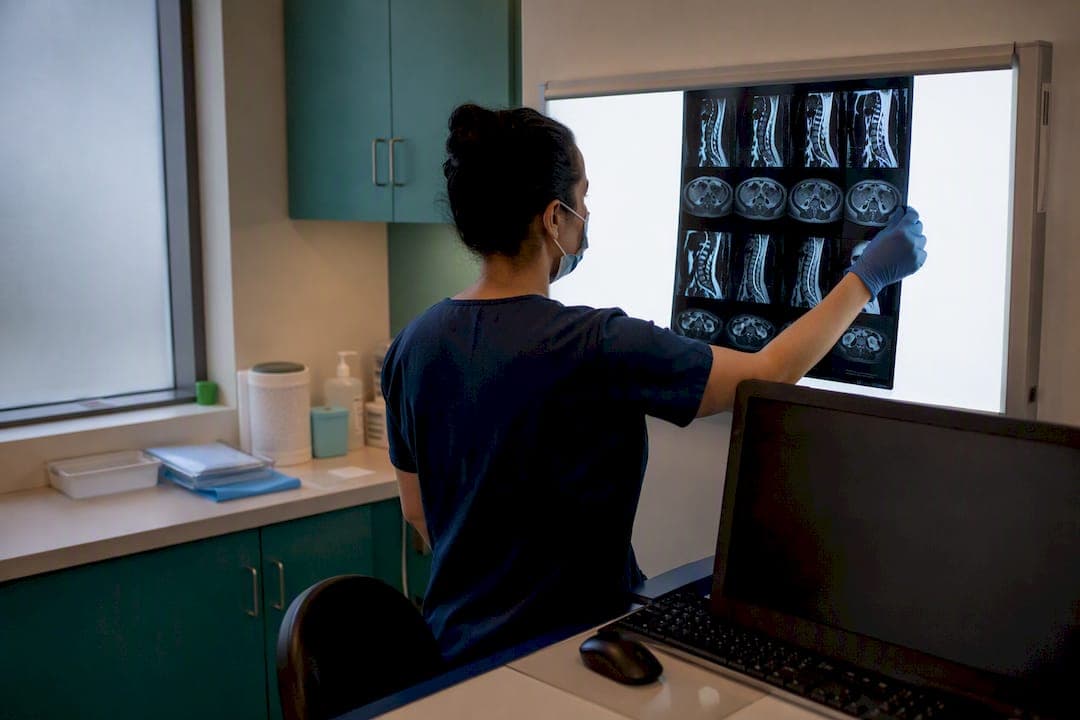
The fastest path to useful radiology networking runs through three groups, not thirty. Pick one society-run community for policy and conference access, one specialty forum for case discussion, and one verified professional network for jobs and trusted contacts.
Society community: RSNA Communities gives you access to SIG threads, committee work, and annual meeting coordination. Requires an RSNA account for full participation.
Specialty forum: Radiopaedia offers case-based learning with editorial oversight. Free to browse, open to contribute.
Verified network: Connectedmedics pairs verified clinician profiles with a jobs board and clinical knowledge hub, listing many active healthcare vacancies.
Next step: sign up for one of each this week, lurk for a few days, then introduce yourself in a thread that matches your subspecialty.
Key Takeaways
Radiology professionals build the strongest networks by combining one society community, one specialty case forum, and one verified professional network rather than spreading thin across many.
| Point | Details |
|---|---|
| Pick three, not thirty | Join one society-run community, one case forum, and one verified network instead of scattering across many groups. |
| Match format to purpose | Use societies for policy and conferences, forums like Radiopaedia for case learning, and local groups for mentorship. |
| Protect patient data | De-identify images, follow HIPAA best practices, and use moderated groups for clinical material. |
| Show up before you post | Observe a new community for one to two weeks before introducing yourself or sharing a case. |
| Verified networks add trust | Connectedmedics pairs verified clinician profiles with a jobs board and clinical knowledge hub, listing many active healthcare vacancies. |
Table of Contents
- Finding the Right Radiology Communities for Your Career Stage
- How Do You Choose the Right Radiology Community?
- Where Can You Find Active Radiology Communities Online?
- Which In-Person Events Build the Strongest Radiology Networks?
- Why Verified, Specialty-First Networks Change the Networking Equation
- Keeping Clinical Sharing Safe and Professional
- What This Playbook Gets Right for Radiologists and Trainees
- Build Your Verified Radiology Network with Connectedmedics
- Sources
Finding the Right Radiology Communities for Your Career Stage
Not every radiology community serves the same purpose, and treating them interchangeably wastes time. Each format solves a different problem, from shaping department policy to getting fast feedback on a tricky case at 11 p.m.
-
Societies and special interest groups (SIGs). Groups run by RSNA and the ACR handle policy debates, leadership development, and conference programming. These often blend online forums with in-person SIG meetings, so membership can unlock both digital discussion and curated sessions at annual meetings.
-
Educational platforms and case libraries. Radiopaedia's community forum centers on case-based teaching and editorial collaboration, tied directly to its open reference library. Contributors get feedback from moderators with subspecialty expertise, not just crowd votes.
-
Open social forums and chat servers. Discord servers like RadDiscord trade formal peer review for speed. Trainees post cases and get responses in minutes rather than days, though moderation quality varies by server.
-
Local and institutional groups. Hospital rounds, trainee associations, and regional chapters build the kind of mentorship and job leads that never show up in a public forum thread.
Access varies widely. Some society spaces sit fully behind membership walls; others let you read freely but require an account to post.
How Do You Choose the Right Radiology Community?
Run through a short checklist before committing time to any group. Purpose comes first: are you there for policy input, clinical learning, or career leads? Audience match matters just as much. A trainee-heavy Discord server won't serve a practice director looking for reimbursement policy discussion, and vice versa.
Check these before joining:
- Moderation level. Who reviews posts, and how fast do they respond to problems?
- Confidentiality rules. Does the group have a stated policy on clinical images and patient data?
- Activity level. A forum with three posts a month won't get your case discussed.
- Job-market signals. Does the community surface hiring leads, fellowship openings, or just chatter?
Once you've picked a group, ease in rather than announcing yourself immediately. Observe for one to two weeks to learn the tone and unwritten rules. Introduce yourself with a short note about your background and interests. Share one curated case or useful resource before asking for anything. Volunteer for a moderation role or content contribution once you're comfortable, since active contributors tend to get more out of professional networks than passive members.
Before posting any clinical material, ask the community's leaders three questions: What's the de-identification standard? Is patient consent documented anywhere? What's the actual posting policy for imaging, versus the unwritten norm?

Pro Tip: Save clinical images for closed, moderated groups where you know the membership. Reserve open, public forums for technical and conceptual discussion where no patient data is involved.
Where Can You Find Active Radiology Communities Online?
A handful of platforms account for most of the useful activity in radiology right now. Here's what each one actually does well.
- RSNA Communities hosts SIG discussion threads, conference planning conversations, and cross-disciplinary workgroups covering topics like AI and 3D printing. Many areas require an active RSNA account, though some threads are open to browse.
- ACR Engage is the ACR's members-only portal for practice leadership, policy debate, and committee coordination. This is where administrative and advocacy conversations happen, not case discussion.
- Radiopaedia community runs case-based education with editorial collaboration built in. Contributors work alongside moderators, which keeps the teaching quality high compared to unmoderated feeds.
- RadDiscord and moderated trainee servers deliver fast peer feedback for residents practicing case interpretation. Speed is the advantage; formal review is the tradeoff.
- Student Doctor Network's radiology forum covers residency and fellowship program advice, research questions, and career paths, mostly used by trainees and applicants.
- Connectedmedics rounds out the set with verified clinician profiles, a global jobs board, and a clinical knowledge hub that summarizes research and trends.
None of these replace the others. A society membership gets you policy access and conference programming; a case forum sharpens your reading skills; a verified network turns your professional identity into something recruiters and colleagues can actually trust and find. Industry coverage of specialized social networks in radiology points to the same pattern: modality- and role-specific groups tend to outperform generic ones for peer learning.
Which In-Person Events Build the Strongest Radiology Networks?
Online communities move fast, but face-to-face contact still closes deals, fellowships, and job offers that a forum thread never will. Prioritize your in-person time the same way you'd triage a reading list.
- Annual society meetings. RSNA's and the ACR's annual meetings, plus subspecialty conferences, deliver the highest concentration of decision-makers and SIG leaders in one place all year.
- Local chapters and hospital rounds. Regional meetups and grand rounds build the slower, durable relationships that a national conference can't.
- Trainee workshops. Residency-focused sessions at annual meetings connect trainees directly with program directors and mentors.
Before any conference, schedule two or three specific meetings in advance rather than hoping for hallway luck. Bring digital contact info you can share instantly. Send one follow-up message to each new contact within a week, while the conversation is still fresh.
Why Verified, Specialty-First Networks Change the Networking Equation
A forum tells you what colleagues think. A verified network tells you who they actually are, which matters more than it sounds once you're trying to hire, get hired, or find a collaborator you can trust with a co-authorship.
Connectedmedics builds on that idea with three connected pieces:
- Verified medical profiles, so the person commenting on your case or job posting is who they claim to be.
- A global jobs board with specialty-specific filters, currently listing over 4,600 active healthcare vacancies.
- A clinical knowledge hub that curates research summaries and trends contributed by verified medical experts.
The value of a professional network scales with how well it connects to real clinical workflows, not just conversation. Platforms tied to shared data and case work tend to deliver more career utility than stand-alone social feeds.
The strongest setup pairs all three community types together. Keep your RSNA or ACR membership for policy and conference access, stay active on a case forum like Radiopaedia for skill-building, and let a verified network like Connectedmedics carry your professional identity and job search across all of it.
Keeping Clinical Sharing Safe and Professional
Sharing a great case teaches people. Sharing an identifiable patient without consent creates a real problem. De-identify every image and follow HIPAA best practices before posting anywhere, and check your institution's own policy first, since it may be stricter than the platform's.
Default to moderated or members-only groups for clinical images. Ask a moderator when a posting policy is unclear rather than guessing. Never solicit business in a clinical thread, and flag suspicious posts, including anything that looks like a scraped patient image, to the moderation team immediately.
What This Playbook Gets Right for Radiologists and Trainees
Most advice on professional networking treats every community as interchangeable, as if joining five Facebook groups and a LinkedIn network counts as a strategy. It doesn't. The radiologists who get real value out of online communities are the ones who match each platform to a specific job: policy access through a society, clinical sharpening through a case forum, and professional identity through a verified network.
The conventional wisdom oversells volume and undersells fit. A trainee spending an hour a day scrolling five loosely moderated Facebook groups gets less career traction than one who spends fifteen minutes contributing to a single well-run case forum and keeps a verified, up-to-date profile on a platform recruiters actually use. Technical literacy matters here too. Understanding how a platform handles data, whether it's PACS export rules or a forum's posting policy, protects you and makes your contributions more useful to others.
Prioritize depth over breadth. Pick your three communities, show up consistently, and let your verified profile do the quiet work of building trust while you focus on the clinical conversations that actually teach you something.
— David
Build Your Verified Radiology Network with Connectedmedics
Society forums and Discord servers solve the discussion side of networking, but they don't verify who you're talking to or connect you to real opportunities. Connectedmedics closes that gap with verified clinician profiles, specialty-specific job filters, and a knowledge hub built from contributions by real medical experts, not anonymous posts.
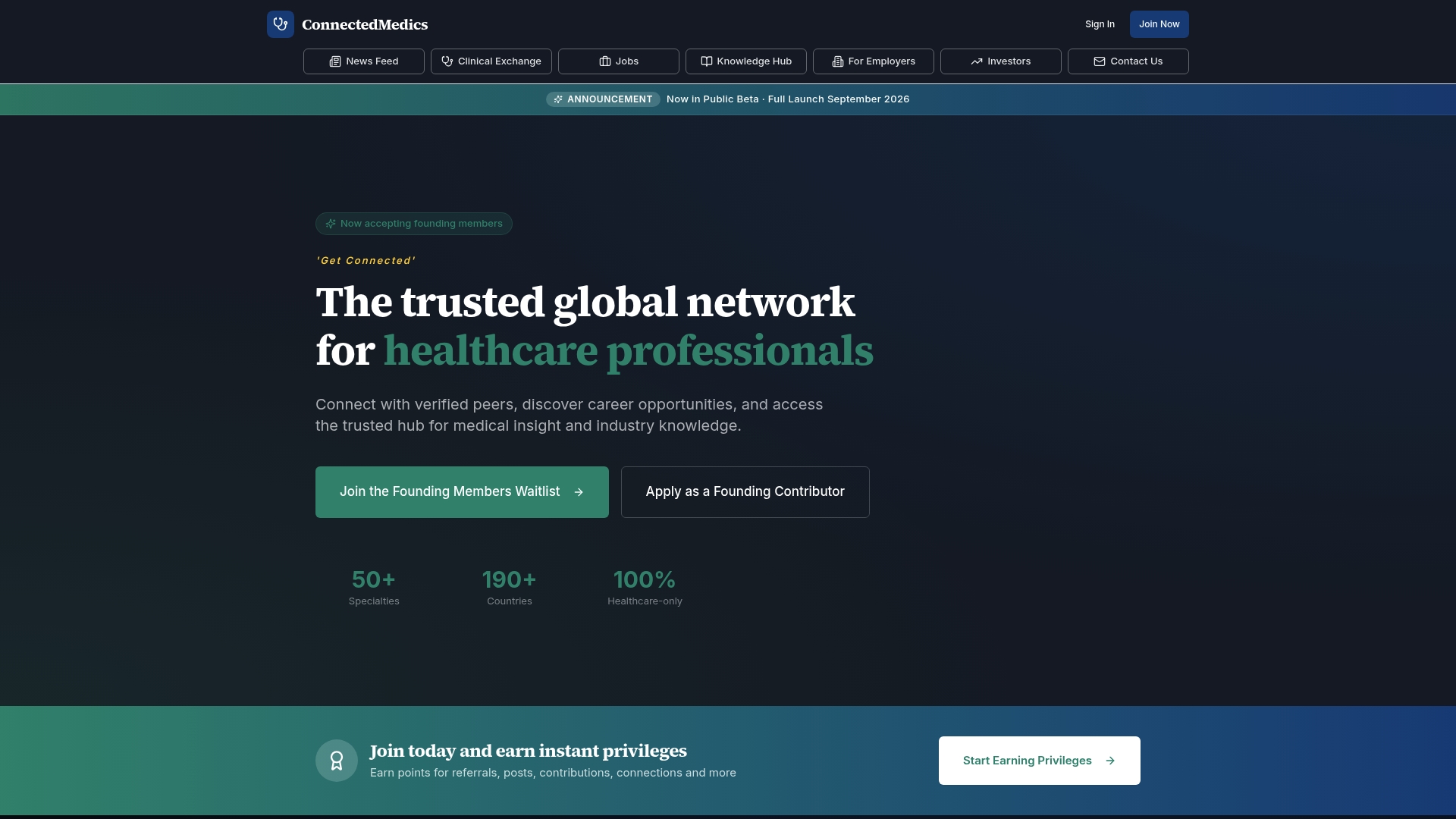
If you're a radiologist or trainee coming out of a case forum or society SIG looking for what comes next, Connectedmedics gives you a professional home that connects directly to hiring managers and peer-reviewed clinical insight, including curated resources like this overview of AI's role in diagnostic imaging. Contributors looking to build a public track record can also learn how to publish clinical insights through the platform's knowledge hub. For teams working on outreach beyond the platform itself, Zensweb's guide to AI-driven patient growth covers complementary strategies worth reviewing.
Create your verified profile on Connectedmedics and browse current openings across specialties today.
Sources
- Home - Radiological Society of North America
- Radiopaedia
- PMC article on integration of clinical collaboration platforms
- Radiology forum — Student Doctor Network